
The Preparation of Initial Environmental Examination (IEE) involves meticulous analysis to anticipate and mitigate potential environmental impacts, ensuring sustainable project development while safeguarding ecological integrity. It encompasses comprehensive data collection, impact assessment, and stakeholder engagement to formulate effective strategies for environmental management and compliance.
The preparation of Environmental Impact Assessment (EIA) involves comprehensive studies to evaluate potential environmental effects of proposed projects. It includes identifying, predicting, and mitigating adverse impacts, ensuring sustainable development.
The preparation of Social Impact Assessment (SIA) involves analyzing the potential effects of projects on communities and stakeholders. It aims to identify social risks, assess benefits, and devise strategies to enhance positive impacts and mitigate negative ones.
The preparation of an Environmental Management/Monitoring Plan (EMP) entails outlining strategies to mitigate and manage environmental impacts during and after project implementation.
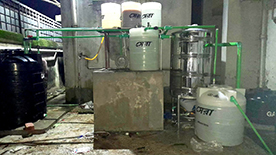
Environmental & Social Quality Compliance ensures adherence to established standards and regulations concerning environmental and social aspects of projects. It involves rigorous monitoring, reporting, and implementation of measures to uphold sustainability goals and mitigate adverse impacts.
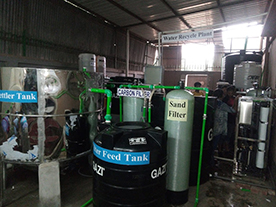
Zero Liquid Discharge (ZLD) aims to eliminate liquid waste discharge by treating and reusing all wastewater generated within a system, minimizing environmental impact. The 3R plan, focusing on Reduce, Reuse, and Recycle, complements ZLD by promoting efficient resource management and waste reduction strategies, contributing to sustainability goals.

The preparation of Environmental Clearance Certificate Papers involves compiling comprehensive documentation detailing project plans, environmental impact assessments, and proposed mitigation measures. These papers are crucial for regulatory approval, demonstrating adherence to environmental regulations and standards.
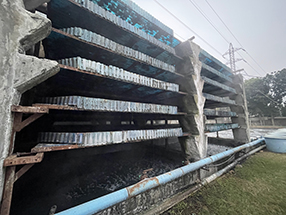
Consultancy, planning, designing, and erection-installation of a total factory encompass comprehensive services ranging from initial conceptualization to final implementation. This holistic approach ensures seamless integration of architectural, engineering, and operational elements tailored to specific industry requirements.
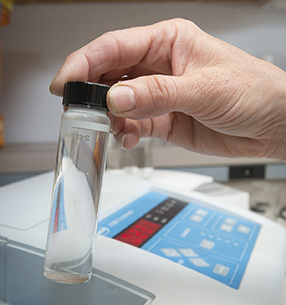
Laboratory services for water, wastewater, and air quality measurement offer precise analysis using advanced instrumentation and techniques. These services play a crucial role in ensuring compliance with environmental regulations, identifying pollutants, and assessing the overall environmental impact.
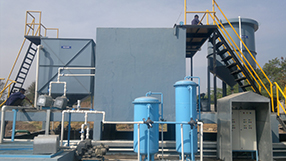
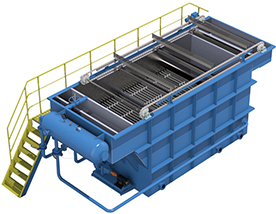
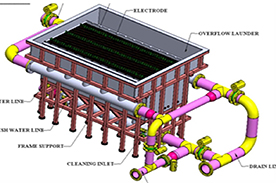
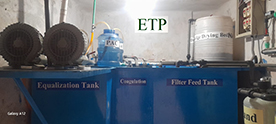
Effluent Treatment Plants (ETPs) are vital infrastructure designed to treat industrial wastewater before it is discharged into the environment. Through various physical, chemical, and biological processes, ETPs remove contaminants and pollutants, ensuring compliance with environmental regulations.
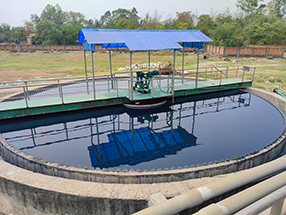
Water Treatment Plants (WTPs) are essential facilities that purify raw water from natural sources to produce clean and potable water for consumption. Using processes such as filtration, sedimentation, and disinfection, WTPs remove impurities, pathogens, and contaminants, ensuring water safety and quality.
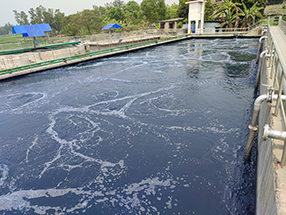
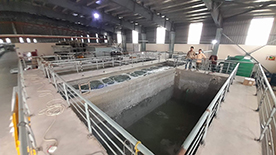
Wastewater Treatment Plants (WWTPs) are crucial facilities designed to treat contaminated water from domestic, industrial, and commercial sources before its release back into the environment. Through various physical, chemical, and biological processes, WWTPs remove pollutants, pathogens, and harmful substances, safeguarding water quality and ecosystems.
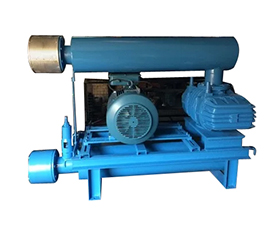
Various types of pumps, including centrifugal, positive displacement, and submersible pumps, serve to move fluids efficiently in different industrial and commercial applications. Blowers, such as centrifugal and positive displacement blowers, provide air or gas flow for processes like aeration and ventilation.
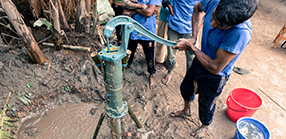
Deep tube-well installation involves drilling boreholes into the earth to access groundwater reservoirs located deep beneath the surface. Utilizing specialized drilling equipment, these wells tap into aquifers to provide a sustainable and reliable water source for various applications such as irrigation, industrial processes, and domestic use.
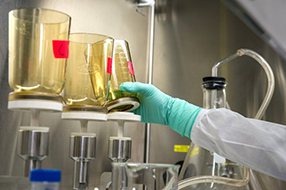
ETP chemicals encompass a diverse range of substances essential for the effective treatment of industrial wastewater in Effluent Treatment Plants. These chemicals include coagulants, flocculants, pH adjusters, and oxidizing agents, each serving specific roles in removing pollutants and contaminants.